The first 72 hours checklist
What to do at the scene, that evening and over the next two days, in the order it tends to matter.
After a vehicle crash
Plain guides for the days and weeks after an accident: what to collect, what to say to insurers, and when it is worth talking to an attorney. Free to read, with someone to ask when you are stuck.

Resources
Short, practical guides you can read on your phone at the roadside or in a waiting room.
What to do at the scene, that evening and over the next two days, in the order it tends to matter.
What to say to your own insurer, what to hold back from the other driver’s, and how to keep a record of every call.
Twelve questions for a first conversation, so you leave knowing how the attorney works, what it costs and who does what.
Our mission
After a crash, the calls start before anyone has explained the rules. Crash Next Law was set up to put the first steps in order, explain the words insurers and attorneys use, and make it easy to ask for help without being pushed into anything.
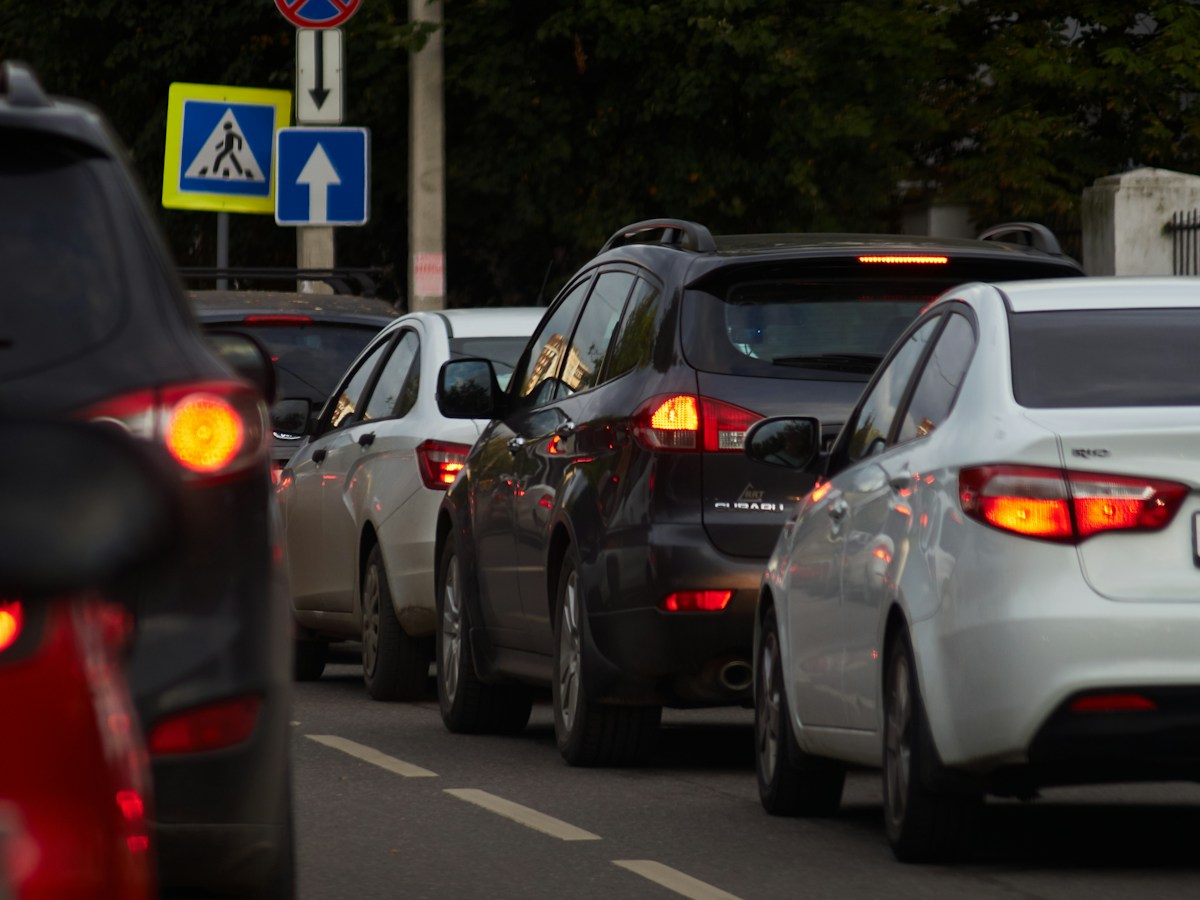
If it just happened
At the scene
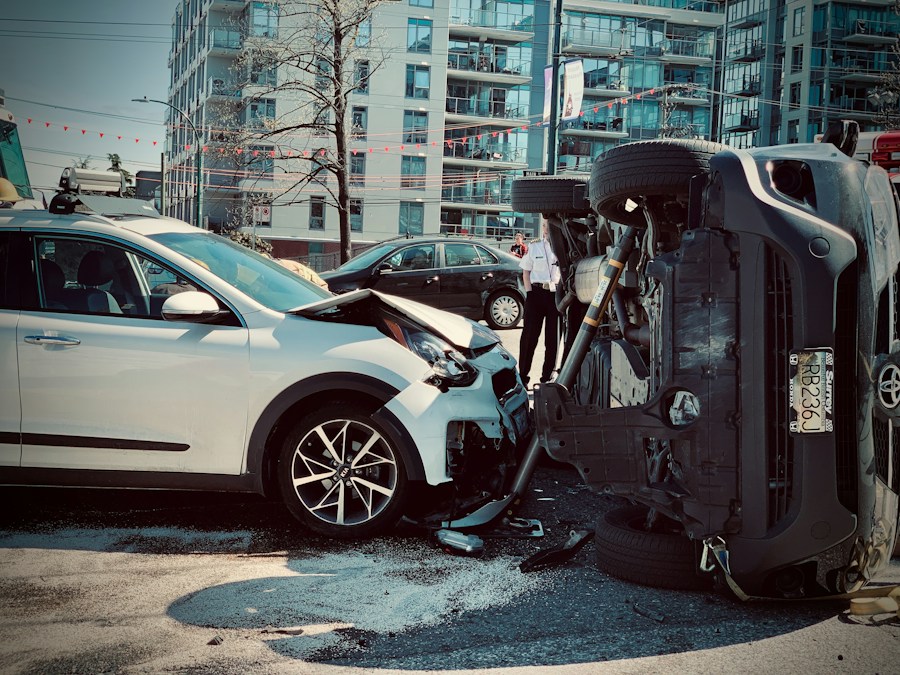
Photos of every car, the plates and the road. Names and numbers of anyone who stopped.
The first 72 hoursThat evening
Even if you feel fine. Some injuries take a day or two to show, and the record starts here.
Why the record mattersWithin a few days
Report the facts to your insurer. A recorded statement for the other driver’s can wait.
About recorded statementsBefore you sign
An early offer can arrive before you know what the crash will cost you.
Before the first offer
What a review looks at
You do not need every document before asking for help. These are the areas a first conversation tends to cover, so you know what to gather.
The police report, citations, photos of the scene and what witnesses saw.
When you were first seen, the treatment since, and what your doctors expect next.
Each driver’s policy and limits, plus any uninsured motorist or commercial cover.
Missed work, bills, the car, getting around, and the things you can no longer do.
Crash types
A rear-end collision, a truck crash and a rideshare crash can involve different evidence, different insurers and different deadlines.
Rear-end, side-impact and intersection collisions, and crashes involving more than two vehicles.
Semi-trucks, delivery vans, buses and company vehicles, where an employer and its insurer are involved too.
Riders are more exposed and often face assumptions about speed and visibility from the start.
Crashes involving app-based drivers, as a passenger, another driver or someone on the street.
People on foot or on a bicycle struck by a vehicle, at a crossing, in a parking lot or on the road.
Crashes that change what someone can do, or take someone from their family.
Articles
Each one covers a single mistake people make while a claim is open, and what to do instead.
The other driver’s adjuster often asks to record your account in the first week. Here is why many people hold off.
Weeks without a doctor’s visit are often read as weeks without pain. How to keep your records matching how you feel.
Photos from a weekend away can be read against an injury claim. A plain approach to social media while a claim is open.
FAQ
No. Crash Next Law is an information service. We publish plain guides about what happens after a vehicle crash, and we answer questions about using them. We do not give legal advice and we cannot represent you.
You tell us the state, the kind of crash and what happened. If you choose a review on the form, we pass those details to one independent attorney who handles vehicle accident claims in that state, so they can decide whether to contact you. We do not pass on your details unless you choose that option.
Reading the guides and sending us a form is free. If you later decide to work with an attorney, any fee is agreed between you and them, in writing.
No. Asking a question or asking for a review creates no obligation. You decide whether to speak to an attorney, and which one.
Not us. Only an attorney who has looked at your records can give a view on that, and nobody can promise an outcome.

Tell us what happened and we will point you to the right guide, or pass your request to an accident attorney if you ask us to.